



Emma was on the subway, waiting for the next train, when a friend shouted that a new game she’d been eyeing was now playable on her phone without a download. Skeptical, Emma pulled out her budget‑mid‑range Android, tapped the service’s icon, and within three seconds the title launched, streaming at 1080p. The lag was barely noticeable, and the graphics looked as if a console were hidden in the pocket. That moment summed up why cloud gaming feels like a cheat code for everyday life.
What Cloud Gaming Actually Is
In plain terms, cloud gaming runs a game’s heavy lifting—rendering frames, processing physics, handling AI—on a remote server. The video feed is then streamed to the user’s device, while the player’s inputs travel back to the data centre. Services such as Xbox Cloud Gaming, Nvidia GeForce Now, and Amazon Luna typically host servers equipped with Nvidia RTX 3080‑class GPUs or AMD Radeon RX 6800 equivalents, delivering up to 60 frames per second at 1080p for most titles.
The biggest practical benefit is hardware independence. A 2016 laptop with an Intel i5‑6200U can now run Assassin’s Creed Valhalla at a playable frame rate, provided the user has a stable internet connection of at least 15 Mbps for 720p and 25 Mbps for 1080p. The bandwidth requirement is the only hard ceiling; latency, measured in milliseconds, typically sits between 30 ms and 70 ms on a good fibre line, which is low enough for most action games but still a hurdle for high‑level competitive shooters.
Why the Market Is Growing Faster Than Expected
- Subscription pricing models. Services charge $9.99 to $14.99 a month for a library of 100+ titles, undercutting the average $60 launch price of a new console game.
- Device proliferation. Smart‑TVs now ship with built‑in cloud gaming apps, meaning a family can gather around a 55‑inch screen without a dedicated console.
- Cross‑platform flexibility. A player can start a campaign on a phone during a commute, continue on a laptop at a café, and finish on a TV at home, all without a save file transfer.
According to a 2023 market analysis, the global cloud gaming revenue hit $4.2 billion, a 42 % jump from the previous year. The projection for 2026 sits at roughly $9 billion, driven by the rollout of 5G networks that push latency down to the single‑digit range in major cities.
Practical Tips for a Smooth Experience
If you’re curious about trying cloud gaming yourself, start with these checks:
- Test your internet speed with a site like speedtest.net; aim for at least 25 Mbps downstream and under 50 ms ping to the nearest server node.
- Use a wired Ethernet connection whenever possible; Wi‑Fi can add 5‑10 ms of jitter that compounds in fast‑paced games.
- Adjust the streaming quality in the app’s settings—most platforms let you toggle between 720p, 1080p, and 4K, balancing visual fidelity against bandwidth consumption.
- Consider a Bluetooth controller with low latency; many services map controller inputs directly, reducing the chance of input lag compared to touch controls.
Where Cloud Gaming Meets Traditional Online Entertainment
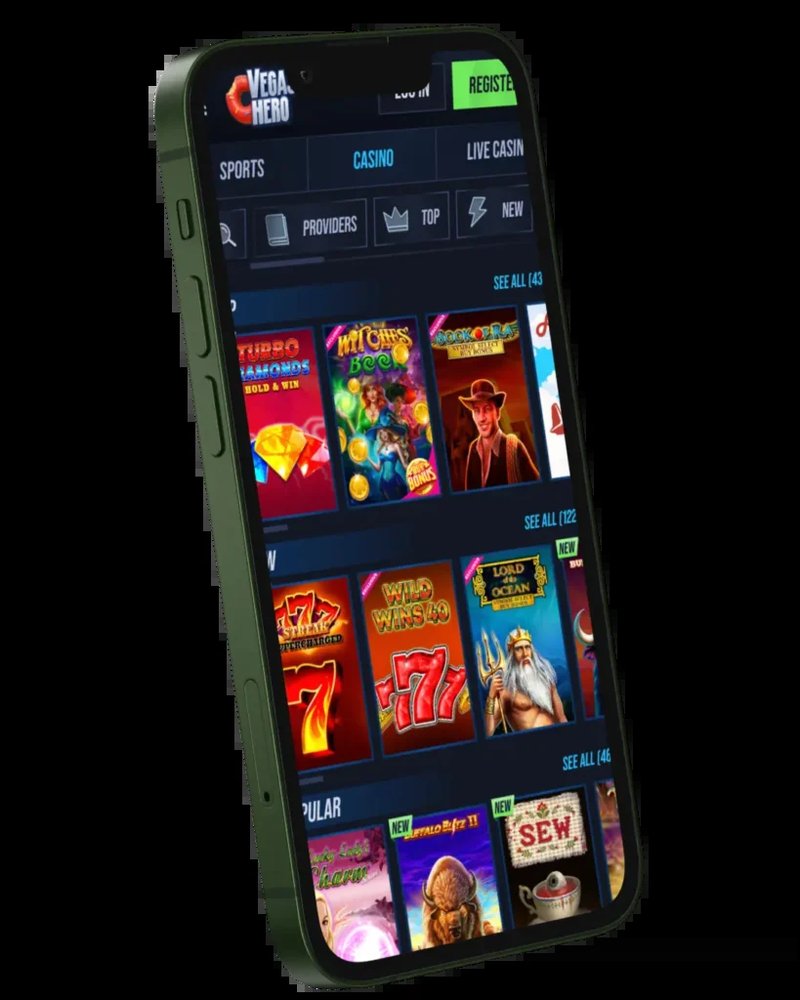
For those who already spend evenings streaming series or browsing e‑sports highlights, cloud gaming fits naturally into the same digital habits. It’s the kind of service that can turn a casual browser session into a shared gaming night, especially when the family already has a stable Wi‑Fi network. Speaking of shared experiences, the site that offers a quirky nod to the casino‑style excitement of streaming is often mentioned by friends looking for a bit of extra fun—check out the vegas hero for a lighthearted diversion.
Limitations to Keep in Mind
The biggest obstacle remains the need for a robust internet connection. Rural households with DSL speeds under 10 Mbps will face pixelated streams and frequent disconnects, making the experience less enjoyable than a locally installed game. Additionally, ownership rights are murky; you’re essentially renting a seat at a virtual console, so if the service shuts down, access to your library disappears—a risk not present with physical discs or downloadable purchases.
Looking Ahead: The Future of Playgrounds
Cloud gaming is already reshaping how developers think about performance ceilings. Knowing that hardware constraints are outsourced, studios can design worlds with higher polygon counts and richer lighting, trusting the server farm to handle the load. In the next few years, we may see fully immersive VR titles streamed directly to lightweight headsets, eliminating the need for a tethered PC.
For now, the takeaway is simple: if you have a decent internet connection and a willingness to experiment, cloud gaming offers a cost‑effective, device‑agnostic way to explore the latest releases. Emma’s subway test was just the beginning—your next gaming session could be on the kitchen table, the couch, or even the park bench, all without a console in sight.
Frequently Asked Questions
What is cloud gaming?
Cloud gaming streams games from powerful servers to your device, eliminating the need for local hardware.
How does cloud gaming work on Android?
You install a lightweight app that connects to a server, sending your inputs and receiving video output in real time.
What devices support cloud gaming?
Any Android phone or tablet with a stable internet connection and a compatible app can play cloud games.